Author: Brenda Mungai
Each year on 24 March, the world commemorates World TB Day, marking the moment in 1882 when Dr Robert Koch announced his groundbreaking discovery of Mycobacterium tuberculosis, the bacterium that causes tuberculosis (TB). This discovery, made 144 years ago, laid the foundation for major advances in TB prevention, diagnosis, and treatment. Since then, remarkable progress has been achieved, from symptom-based screening to AI-enabled digital chest X-ray screening; from microscopy-only diagnosis to molecular and near-point-of-care tests; and from lengthy, toxic treatment regimens lasting nearly two years to shorter, safer four-to-six-month treatments, alongside a promising vaccine pipeline.
Despite these advances, TB remains a major public health challenge in Kenya and globally, continuing to cause significant social and economic harm. It is increasingly evident that TB cannot be eliminated through medical interventions alone. Stigma, discrimination, and social and economic inequalities persist as major barriers, preventing many people from accessing timely diagnosis and care.
World TB Day, therefore, presents a critical opportunity to raise public awareness about the devastating health, social, and economic consequences of TB, reduce stigma, and renew collective action to end the global TB epidemic.
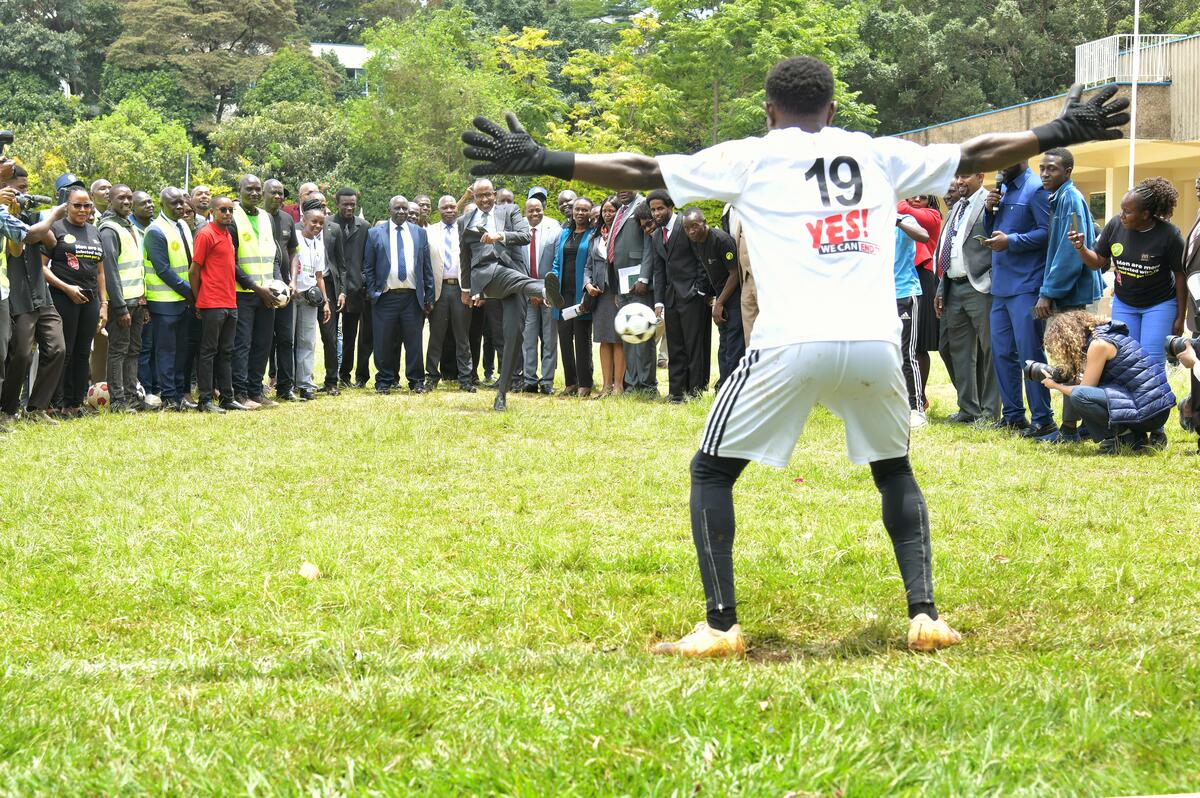
This year’s World TB Day commemoration in Kenya highlighted a crucial reality: TB does not affect everyone equally. Biological factors, gender norms, social roles, and economic conditions shape how individuals experience TB and access healthcare. TB disproportionately affects men, particularly those in the most economically productive age group of 20 to 44 years. Evidence, including findings from the LIGHT Consortium, shows that men account for the majority of TB cases, yet two out of every three undiagnosed or unnotified TB cases are among men. Furthermore, men, women, and young people face distinct barriers along the TB care pathway, underscoring the need for gender-responsive, equity-driven approaches to ensure universal access to TB prevention, diagnosis, and treatment.
The event deliberately focused on youth and men, recognising their critical role in ending TB. Led by the National TB and Lung Disease Programme under Dr Immaculate Kathure, OGW, and implemented in partnership with key stakeholders, including LIGHT Consortium Kenya partners, the African Institute for Development Policy (AFIDEP) and the Respiratory Society of Kenya (ReSoK), the event was hosted at the University of Nairobi Graduation Square to strategically engage young people where they gather and influence change.
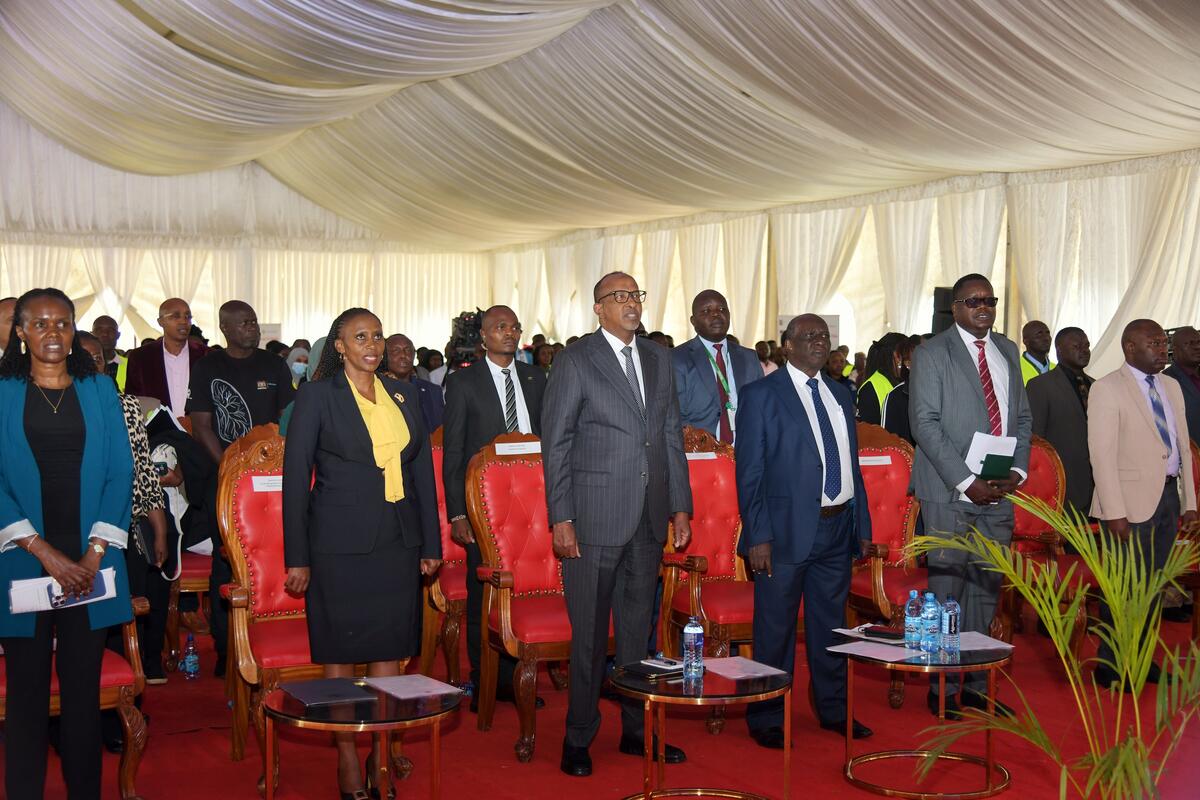
The Cabinet Secretary for Health, Hon. Aden Duale, EGH, graced the World TB Day event, calling for a whole-of-government approach to addressing the social drivers of TB while also using targeted gender-responsive interventions to reach high-risk groups, particularly men, who account for the majority of cases. He specifically called on men to get screened and tested for TB. Other government officials in attendance included the Principal Secretary, State Department Public Health and Professional Standards, Ps. Mary Muthoni, CBS; Chair of the Parliamentary Committee for Health, Hon. Dr James Nyikal, CBS; and Director Primary Health Care, Dr Joel Gondi.
The LIGHT Consortium has been instrumental in highlighting that men bear a disproportionate share of the TB burden, yet remain underserved due to harmful notions of masculinity and health systems that lack gender-responsive services. LIGHT has also brought the unique needs of adolescents and young adults (AYA) to the forefront, advocating for youth-responsive services and sex- and age-disaggregated data to identify and address the critical gaps this vulnerable group faces in the care cascade. In addition, LIGHT has empowered young people to use their voices to advocate for their TB rights and take part in national and global discourse on TB.
“Ending TB remains both a health priority and a national development imperative.”
Hon. Aden Duale, Cabinet Secretary for Health, Ministry of Health, Kenya.
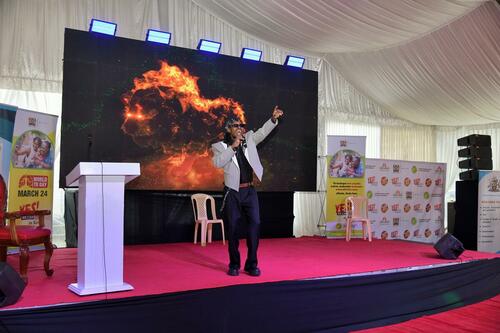
It was powerful to see this come to life. The youthful energy was evident during World TB Day.
TB si mwisho wa story…pima, treat, songa…… (TB is not the end of the story... test, treat, and move on)
Together, led by government and powered by youth and men, we can end TB.