Limited capacity to understand, communicate, and use research evidence can hinder health policies and programmes from fully benefiting from available knowledge, reducing the potential for evidence-informed action on TB and gender.
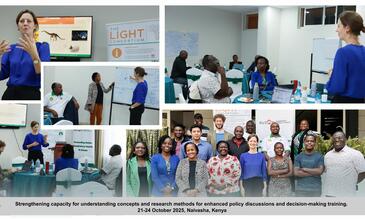
This case study shows how the LIGHT Consortium addressed that challenge by investing in practical capacity strengthening across Kenya, Malawi, Nigeria, and Uganda, including training in evidence-informed decision-making, scientific writing, research methods, science communication, gender in lung health research, and media engagement. Together, these efforts strengthened the ability of researchers, policymakers, National TB Programme teams, and journalists to generate, interpret, communicate, and use evidence more effectively. These activities contributed to stronger research uptake in practice by improving the quality and policy relevance of research outputs, supporting the development of evidence-to-policy products, increasing confidence in evidence use for decision-making, and helping embed more sustainable, locally led approaches to capacity strengthening. The case study also shows LIGHT’s wider impact in establishing enduring relationships between researchers, decision-makers, media professionals, and other TB stakeholders, helping create an enabling environment in which evidence is more likely to inform policy, practice, and future TB programming.