Men remain disproportionately affected by TB, yet many continue to be missed by services that are not designed around the realities of their everyday lives.
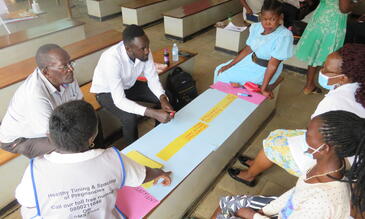
This case study shows how LIGHT worked with healthcare workers, TB survivors, policymakers, and other stakeholders in Uganda and Kenya to understand these barriers and co-create practical, gender-responsive solutions. Through participatory and mixed-methods approaches, LIGHT generated evidence on how masculinity, work patterns, stigma, clinic accessibility, weak health systems, and unmet social needs shape men’s access to TB screening, diagnosis, treatment, and ongoing care. The case study demonstrates the difference this work made. In Uganda, LIGHT’s co-developed male-friendly intervention contributed to a 51% increase in TB notifications across two pilot facilities, while also improving patient experience and strengthening screening and documentation practices. In Kenya, participatory action research helped frontline healthcare workers, managers, and policymakers move from identifying barriers to agreeing practical solutions and action plans, with reported changes introduced at facility and community level, including flexible clinic hours, fast-tracking for men, differentiated care for young people, home delivery of treatment, and targeted outreach in places where men work and gather. Overall, the case study demonstrates that reaching the “missing men” requires more than recognising gender disparities: it requires services that are flexible, person-centred, and backed by health systems that support frontline innovation. It shows how LIGHT’s work helped shift the conversation from problem recognition to practical change, with lessons that can inform more equitable and effective TB policy and practice.